Somalia Ratifies IGAD Treaty: What You Need to Know Now
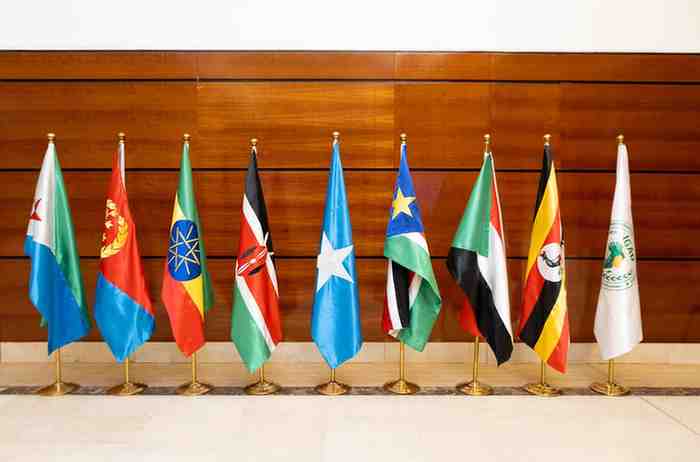
Somalia’s parliament has ratified IGAD’s updated regional treaty, activating a stronger mandate for the bloc to deepen security, climate and economic cooperation across the Horn of Africa.
MOGADISHU – Somalia’s parliament has ratified a landmark regional treaty, a move the East African bloc IGAD says will "spur" integration and strengthen collective efforts to tackle security and climate crises across the Horn of Africa.
The endorsement, announced on Wednesday, marks a pivotal shift for Somalia as it deepens its ties with the Intergovernmental Authority on Development (IGAD). The new treaty replaces an outdated 1996 agreement, offering a modernized framework for how member states cooperate on everything from trade to digital governance.
The updated treaty, first adopted in June 2023, is designed to address 21st-century challenges that the previous agreement did not fully cover. By signing on, Somalia joins Djibouti, Ethiopia, South Sudan, and Kenya in a shared commitment to:
- Regional Security: Enhancing intelligence sharing and peace-building initiatives.
- Climate Resilience: Coordinating responses to the devastating droughts and floods that frequently displace populations in the region.
- Economic Integration: Removing barriers to trade and improving infrastructure links between neighboring capitals.
Workneh Gebeyehu, Executive Secretary of IGAD, hailed the Somali government’s "decisive leadership." He noted that Somalia’s ratification is a legal turning point for the bloc.
"Somalia’s ratification helps the bloc reach the required two-thirds threshold," Gebeyehu said in a statement. This legal benchmark effectively activates the treaty’s full power, allowing IGAD to operate with a stronger mandate as it celebrates its 40th anniversary this year.
For years, the Horn of Africa has been characterized by borders defined more by conflict than cooperation. Analysts say that Somalia’s willingness to bind itself to this regional framework suggests a growing confidence in Mogadishu to engage as a stable, sovereign partner.
The move is expected to streamline how international aid and development projects are managed, as donors often prefer working with unified regional blocs rather than navigating the differing regulations of individual countries.
As the treaty moves into the implementation phase, the focus will shift to whether these nations can move past historical tensions to deliver on the promise of a more "peaceful and resilient" Horn of Africa.